
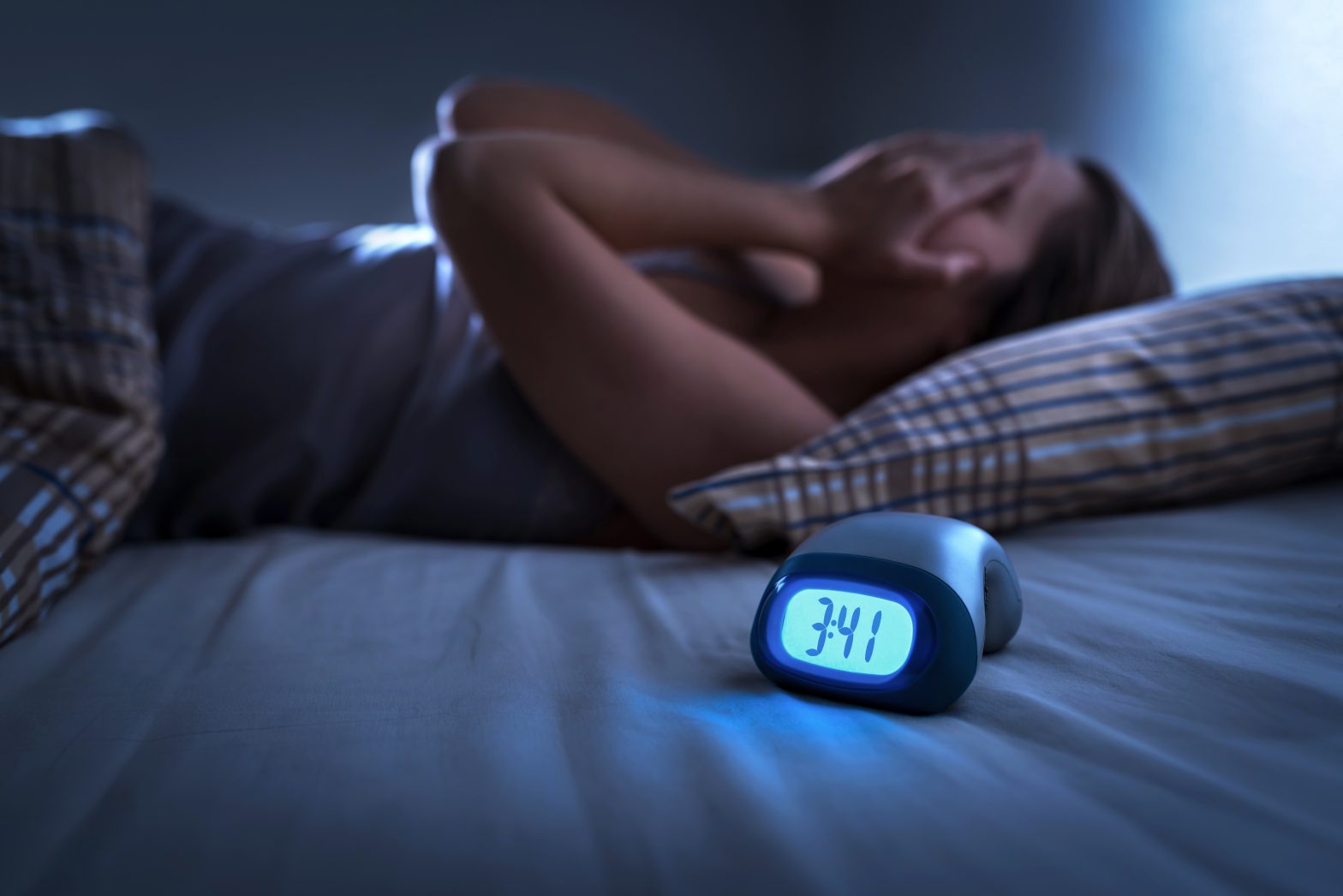
Stress, sleep, and hormones are deeply connected. When one is disrupted, the others often feel the impact. That is why people can end up stuck in a cycle of fatigue, mood changes, cravings, poor recovery, and irritability without realizing how the pieces fit together.
Chronic stress affects the body in more ways than most people expect. It can influence appetite, energy, mood, sleep quality, and hormone regulation. At the same time, poor sleep can make stress harder to manage and can worsen the very symptoms people are trying to improve. The result is a loop that can be difficult to break.
A common mistake is trying to treat only one part of the problem. For example, someone may take supplements but continue sleeping poorly and living under constant stress. Another person may try to exercise more while still running on too little rest. A more effective plan looks at the whole system.
That does not mean every stress-related symptom is “just stress.” Sometimes stress is the trigger, but sometimes it is only one piece of a larger medical picture. If symptoms are persistent, it is worth evaluating hormones, sleep habits, and other contributing factors together.
For people in Elizabethtown and central Kentucky, this kind of whole-person approach can be especially helpful because it connects everyday habits with real medical insight. When sleep and stress improve, the body often has a better chance to function well.
Ways to support the stress-sleep-hormone cycle
- Keep a consistent sleep schedule.
- Reduce late-night stimulation.
- Build in recovery time during the day.
- Eat regularly enough to avoid crashes.
- Address ongoing hormone or medical concerns.
When the system calms down, the body often responds.